
At Happy Feet Hub, we see how much foot health impacts everyday life. Arthritis isn’t just about stiff knees or sore hands—it often starts in the feet, and if ignored, it can limit mobility, independence, and confidence.
For many people, especially in Black communities, arthritis in the feet is under-recognised, under-treated, and often only addressed when it’s already causing severe problems. In this blog, we’ll break down what arthritis in the feet looks like, why disparities exist, and how early podiatric care can change the future for so many.
What Does Arthritis in the Feet Look Like?
Arthritis is the inflammation of joints, and the feet contain more than 30 joints—so it’s no surprise they’re often affected.
Common signs include:
- Pain or tenderness in the feet and ankles
- Stiffness, especially in the morning or after rest
- Swelling around the joints
- Difficulty walking long distances
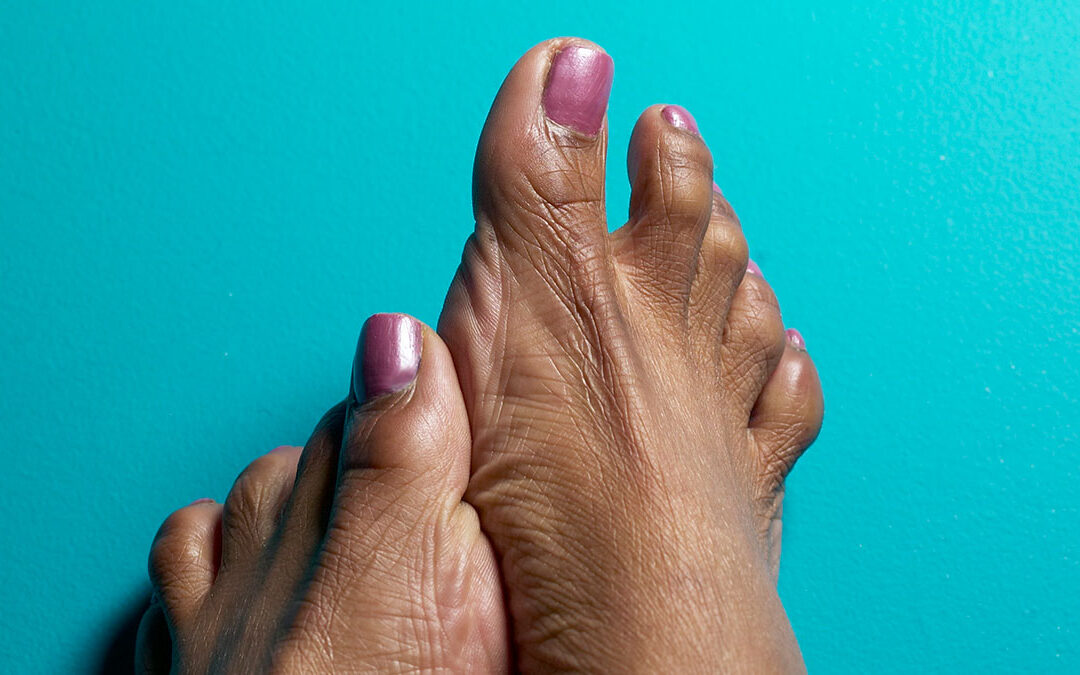
- Changes in the shape of the foot (bunions, hammer toes, collapsed arches)
The most common types affecting feet are:
- Osteoarthritis – “wear and tear” arthritis that worsens with age
- Rheumatoid arthritis (RA) – an autoimmune disease that attacks the joints
- Gout – caused by a build-up of uric acid crystals, often starting in the big toe
Why Does It Matter?
Ignoring arthritis in the feet doesn’t just mean more pain. Left untreated, it can lead to:
- Permanent joint deformity
- Difficulty finding comfortable shoes
- Increased risk of falls
- Reduced independence and mobility
- Secondary problems like corns, calluses, and skin breakdown due to altered gait
In severe cases, untreated arthritis can even increase the risk of ulcers and infections, especially in people who also have diabetes.
The Disparities: Why Black Patients Are More Affected
While arthritis is common across all groups, Black communities often face worse outcomes for several reasons:
- Delayed diagnosis
Symptoms in Black patients are sometimes under-recognised or dismissed, leading to later treatment starts. - Access to care
Socioeconomic barriers and fewer referrals to podiatry or rheumatology mean foot arthritis isn’t managed early. - Differences in pain reporting
Research shows that pain expressed by Black patients can be underestimated or undertreated compared with white patients. - Higher rates of comorbidities
Conditions like obesity and diabetes—both risk factors for foot arthritis complications—are more prevalent in Black communities due to social determinants of health.
The result? Black patients are more likely to experience advanced disease by the time they see a specialist.
What Research Tells Us
- The British Society for Rheumatology (2025) recently published guidelines emphasising that foot health should be a core part of arthritis care, yet many patients still miss out on podiatric assessment (Versus Arthritis, 2025).
- A review in the Journal of Foot and Ankle Research found that up to 90% of people with rheumatoid arthritis experience foot problems, but many never get referred for specialist foot care (J Foot Ankle Res, 2018).
What Can Be Done?
Self-Care Steps You Can Take
- Check your feet daily – look for swelling, redness, or changes in shape
- Stay active – gentle stretches and low-impact exercise keep joints mobile
- Choose supportive footwear – cushioned soles and wide-fitting shoes help protect painful joints
- Manage weight – reducing pressure on the joints lowers pain and slows progression
- Don’t ignore flare-ups – if pain or swelling suddenly worsens, seek medical help
How Podiatrists Help
At Happy Feet Hub, podiatrists can:
- Provide custom insoles or orthotics to reduce pressure on painful joints
- Recommend footwear to protect joints and improve walking comfort
- Monitor for complications like corns, ulcers, or infections
- Work alongside rheumatologists to manage long-term conditions
Happy Feet Hub’s Commitment
We know that foot arthritis doesn’t affect everyone equally. That’s why we’re committed to:
- Raising awareness in Black communities about the early signs of arthritis in the feet
- Encouraging earlier referrals from GPs and diabetes specialists to podiatry services
- Delivering culturally sensitive care that takes into account patient beliefs, barriers, and lived experiences
A Call to Action
If you’ve noticed foot pain, stiffness, or swelling that isn’t going away, don’t wait until walking becomes unbearable. Early podiatry care can prevent long-term damage and keep you mobile for years to come.
At Happy Feet Hub, our goal is simple: to help you stay active, independent, and confident—one step at a time.
? Book your arthritis foot check-up today. Your feet will thank you.